
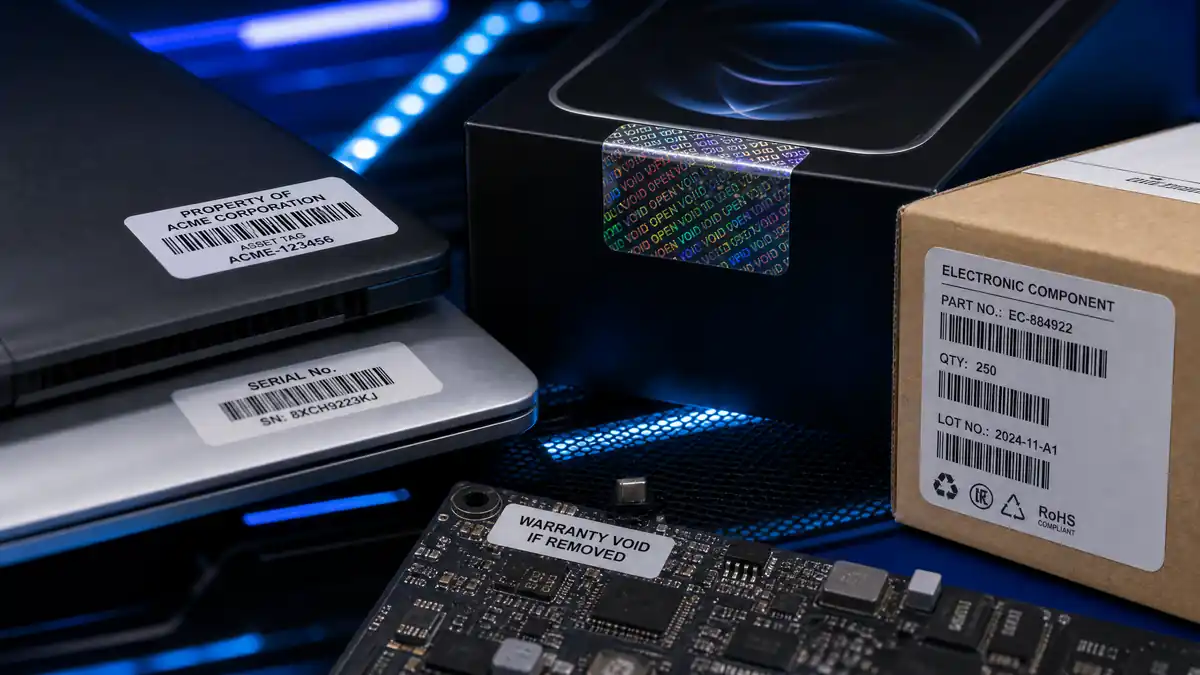
Durable, Precise Labels for the Electronics Industry
From consumer electronics and industrial equipment to PCBs and cable assemblies — Nurvyn manufactures electronics labels that withstand heat, chemicals, abrasion, and the full lifecycle of your products. UL-recognized materials, serialization, and precision printing for the most demanding applications.
The Label Challenges Electronics Manufacturers Face
Electronics labels operate in some of the most demanding environments in manufacturing. They must survive soldering temperatures, chemical cleaning agents, mechanical abrasion, and years of field service — while remaining legible and adhered. Here are the six challenges electronics companies tell us about most frequently.
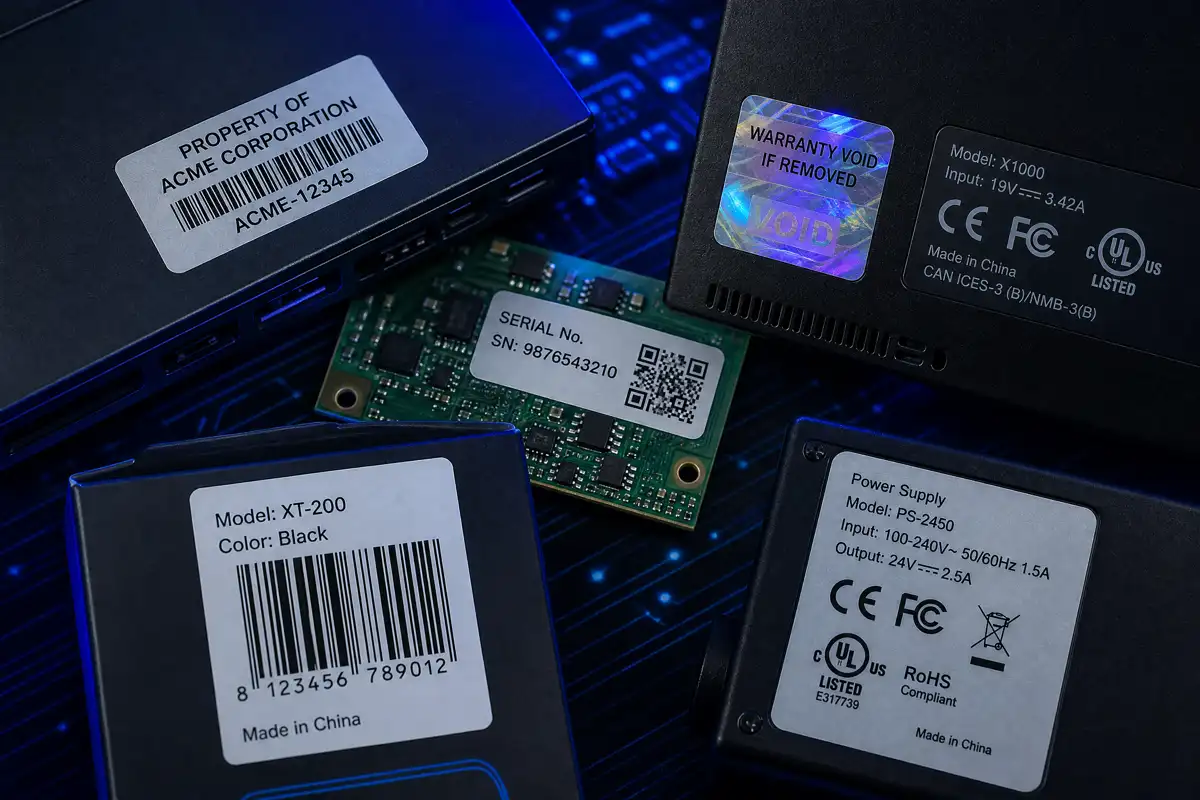
PCB assembly involves wave soldering (260°C+), reflow soldering (up to 260°C peak), and chemical cleaning with isopropyl alcohol and flux removers. Standard labels cannot survive these processes — they melt, delaminate, or lose adhesion. Nurvyn offers polyimide (Kapton) and high-temperature polyester labels specifically designed to withstand PCB assembly temperatures and chemical exposure. Our polyimide labels maintain full adhesion and print clarity through 260°C peak reflow temperatures and repeated IPA cleaning cycles. We provide material data sheets confirming temperature performance so you can include them in your process validation documentation.
Electronics manufacturers need to track individual units through production, distribution, and field service. Serialized labels with unique identifiers, barcodes, and QR codes are essential for warranty management, recall management, and regulatory compliance. Managing variable data printing at scale — while maintaining 100% accuracy — requires specialized printing systems and verification processes. Nurvyn’s digital printing systems support full serialization with 100% barcode verification before shipment. We can produce labels with sequential serial numbers, lot codes, date codes, and any combination of variable fields. All variable data is cross-checked against your specification file before shipment.
Electrostatic discharge (ESD) can damage sensitive electronic components during handling and assembly. Standard labels can generate static charges that damage components. Nurvyn offers ESD-safe label materials that dissipate static charges, protecting your components throughout the assembly and distribution process. Our ESD-safe materials meet ESD Association standards and are available in white and clear finishes with permanent or removable adhesives. Surface resistance data sheets are available for your ESD control program documentation.
Electronics labels often need to contain a significant amount of information — part numbers, serial numbers, barcodes, safety symbols, voltage ratings, and compliance marks — in a very small space. Maintaining legibility at small sizes requires high-resolution printing and careful design. Nurvyn’s printing systems maintain crisp text and scannable barcodes at very small sizes — down to 6pt text and 0.25mm barcode bar widths. All barcodes are verified with a calibrated barcode verifier before shipment to ensure they meet GS1 quality standards. We can provide barcode quality reports with each shipment for critical traceability applications.
Electronics products sold in major markets require specific compliance marks — UL in the US, CE in the EU, RoHS compliance statements, and others. These marks must be correctly formatted and applied to the correct locations on the product. Incorrect or missing compliance marks can prevent market access and trigger regulatory action. Nurvyn can print UL, CE, RoHS, WEEE, and other compliance marks in the correct format and size for your target markets. For UL-listed products, we can provide labels on UL-recognized materials with the appropriate UL file number. We can advise on the correct formatting requirements for each mark.
Electronics equipment is used in a wide range of field environments — from office environments to industrial facilities, outdoor installations, and harsh industrial conditions. Labels must survive the full service life of the equipment — often 5–10 years or more — while remaining legible and adhered. Nurvyn offers materials with proven long-term durability in demanding field environments. Our outdoor-grade polyester labels maintain legibility for 5–10 years in UV-exposed outdoor installations. Chemical-resistant polyester labels survive repeated exposure to oils, solvents, and cleaning agents used in industrial maintenance. We can provide accelerated aging test data for specific field environment requirements.
Electronics Label Expertise Built on Technical Knowledge
Nurvyn has been manufacturing labels for electronics companies for over a decade. We have worked with consumer electronics brands, industrial equipment manufacturers, PCB assembly houses, and cable and connector manufacturers. This experience means we understand the specific technical demands of electronics labeling — the temperature requirements, the chemical resistance needs, the serialization complexity, and the compliance requirements.
We understand that a PCB label needs to survive soldering processes that would destroy a standard label. We know that a consumer electronics product label needs to look premium while meeting UL and CE requirements. We know that an industrial equipment label needs to remain legible after years of exposure to oils, solvents, and mechanical abrasion.
Our production facility has dedicated lines for polyimide, polyester, and specialty electronics labels, with calibrated printing systems that maintain the precision required for small, information-dense electronics labels. We have invested in the equipment and expertise to serve the electronics industry’s most demanding applications — from PCB assembly labels to consumer electronics branding to industrial equipment identification.
We also understand the business pressures electronics manufacturers face: tight production schedules, demanding quality requirements, and the need to manage label supply across multiple product lines and geographies. Nurvyn’s production capacity, quality systems, and global shipping capabilities are designed to support electronics manufacturers of all sizes — from startups launching their first product to established manufacturers running high-volume production programs.
Label Solutions for Electronics Products
Electronics labels must balance technical performance with information density and compliance requirements. Here are the label types most commonly used in electronics manufacturing.
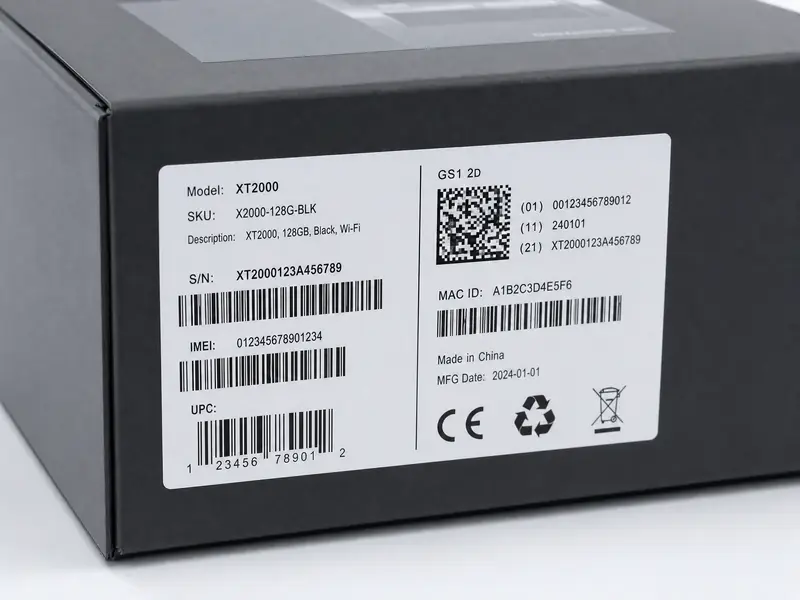
Serialized labels with unique identifiers, barcodes, and QR codes for electronics traceability. Variable data printing with 100% verification. Compatible with ERP and MES systems.
Learn More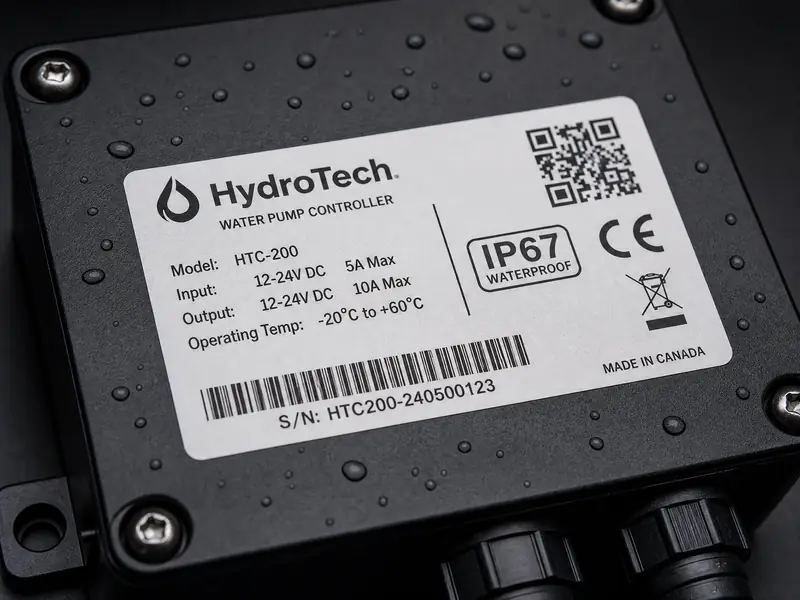
Polyester and BOPP labels resistant to IPA, flux removers, and cleaning agents. Maintains adhesion and print clarity through chemical exposure and mechanical abrasion.
Learn More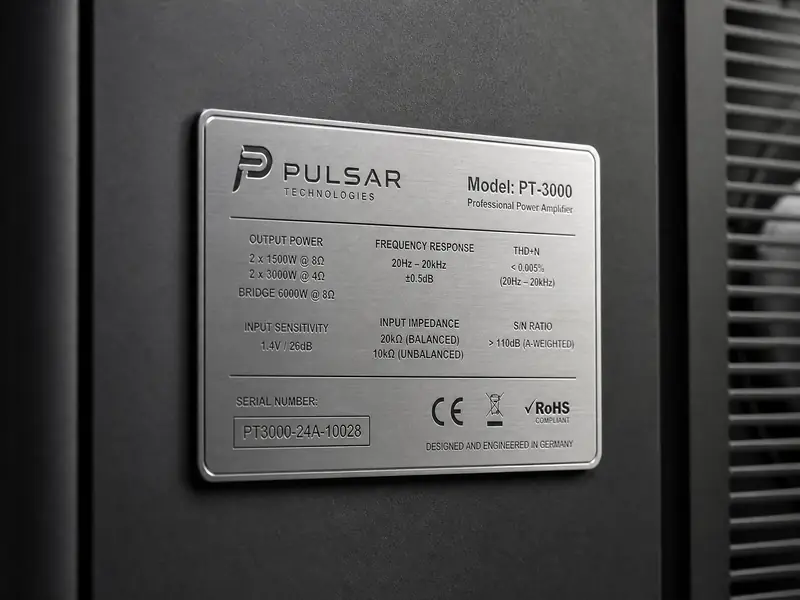
Brushed metal-effect and holographic labels for premium consumer electronics. Creates a premium brand impression that matches the quality of your products.
Learn More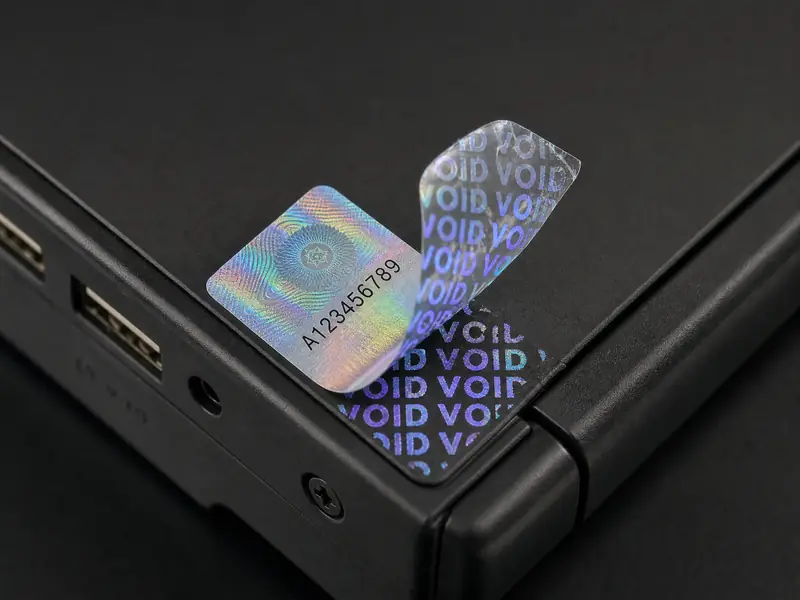
Holographic void labels for warranty seals and tamper evidence on electronics products. Provides visible evidence of tampering and protects against unauthorized service.
Learn More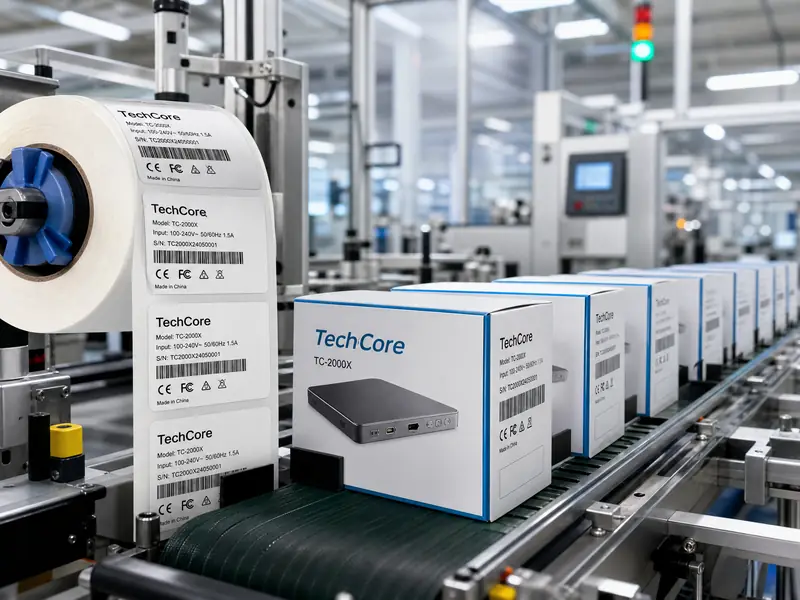
Roll format labels for automated electronics assembly lines. Compatible with all standard labeling machines. Consistent quality across high-volume production runs.
Learn More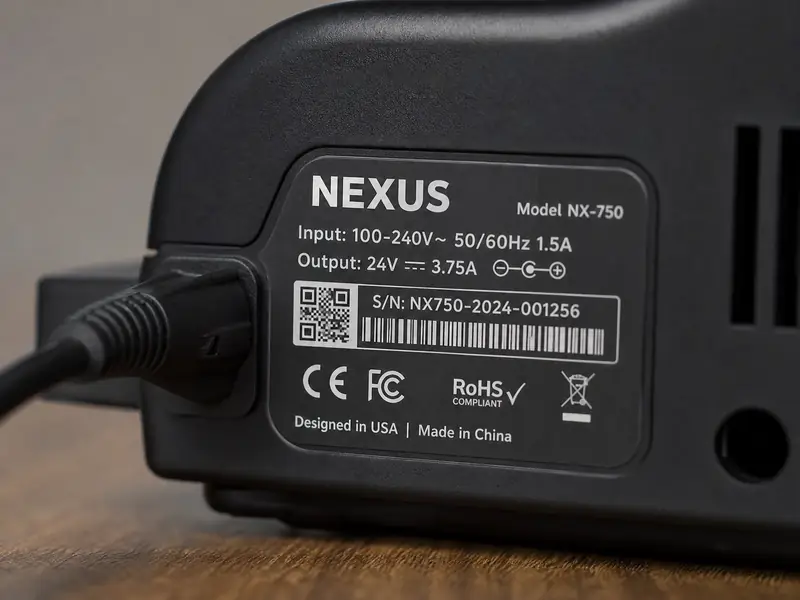
Custom die-cut labels for non-standard electronics surfaces — curved enclosures, small components, and irregular shapes. Any shape, any size, with full compliance formatting.
Learn MoreHow to Get Electronics Labels Right
Electronics labeling requires careful attention to material selection, temperature performance, chemical resistance, and information density. Getting these decisions right ensures your labels perform throughout the full lifecycle of your products — from PCB assembly through years of field service. The following best practices are based on our experience working with electronics manufacturers across consumer, industrial, and medical electronics segments.
The most common and costly mistake in electronics labeling is selecting materials based on cost alone, without considering the specific process and environmental requirements. A label that costs 20% less but fails during PCB assembly will cost far more in rework and traceability failures than the savings on the label itself. We always recommend requesting samples and testing them in your actual process before committing to a full production order.
If your labels will be applied before PCB assembly processes, specify the peak temperatures your labels will experience — wave soldering (260°C), reflow soldering (up to 260°C peak), or conformal coating curing. This determines whether you need standard polyester, high-temperature polyester, or polyimide (Kapton) materials. Using the wrong material will result in label failure during assembly, requiring costly rework and potentially compromising traceability. Nurvyn provides material data sheets confirming temperature performance for each material, which you can include in your process validation documentation.
Electronics labels are often exposed to cleaning agents — isopropyl alcohol, flux removers, acetone, and other solvents. Specify which chemicals your labels will be exposed to and at what concentrations. Different materials have very different chemical resistance profiles, and selecting the wrong material can result in label degradation, adhesive failure, or print smearing that compromises traceability and compliance. Nurvyn maintains chemical resistance data for all standard materials and can recommend the appropriate material for your specific chemical exposure profile. For unusual chemical combinations, we can conduct compatibility testing before production.
If you need serialized labels, plan your serialization system before ordering. Define your serial number format, barcode symbology (Code 128, DataMatrix, QR code), and how serial numbers will be integrated with your ERP or MES system. Nurvyn can produce labels with any serialization format, but the format must be defined before production begins. Last-minute changes to serialization formats can cause significant delays and additional costs. We recommend working with your ERP or MES team to define and test your serialization integration before ordering labels. Nurvyn can provide test files in your required format for integration testing.
UL, CE, RoHS, and other compliance marks have specific formatting requirements — correct symbols, minimum sizes, and placement rules. Verify that your artwork includes all required compliance marks in the correct format before submitting for production. Incorrectly formatted compliance marks can prevent market access.
Before ordering large quantities, test sample labels in your actual use environment. Apply them to your actual substrates, subject them to your assembly processes, and verify that they perform as expected. This is especially important for PCB labels that will experience soldering temperatures and chemical cleaning.
If your labels will be applied to ESD-sensitive components or assemblies, specify ESD-safe materials. Standard label materials can generate static charges that damage sensitive components. ESD-safe materials dissipate charges to protect your components throughout the assembly and distribution process.
| Product / Application | Recommended Material | Key Requirement | Recommended Finish |
|---|---|---|---|
| PCB labels (pre-assembly) | Polyimide (Kapton) | 260°C+ soldering resistance | Gloss laminate |
| PCB labels (post-assembly) | White polyester | Chemical resistance | Gloss laminate |
| Consumer electronics (enclosures) | White BOPP or polyester | Abrasion resistant | Gloss or matte laminate |
| Cable & wire labels | White polyester | Wrap-around adhesion | Gloss laminate |
| Industrial equipment | White polyester | Chemical & UV resistant | Gloss laminate |
| Warranty seals | Holographic void material | Tamper-evident | Holographic |
| Asset tracking labels | White polyester | Long-term durability | Gloss laminate |
Why Electronics Manufacturers Choose Nurvyn
Electronics labeling requires a manufacturer with deep technical knowledge of materials, processes, and compliance requirements. Nurvyn combines manufacturing expertise with electronics industry experience to deliver labels that perform throughout your product’s full lifecycle.
Polyimide, polyester, ESD-safe, and specialty materials for demanding electronics applications. We select the right material for your specific process requirements.
Full serialization capability with 100% verification. Compatible with GS1, Code 128, DataMatrix, and QR code formats.
Standard production in 7–14 business days. Rush production available for urgent production schedules.
Material data sheets and certifications available for all electronics label materials to support your compliance documentation.
No middlemen. Direct manufacturer pricing with 20–40% savings compared to local resellers.
From small prototype runs to high-volume production. Digital printing makes small runs economically viable.
Maintains crisp text and barcodes at very small sizes — essential for information-dense electronics labels.
Reliable international shipping to the US, EU, and Asia-Pacific with full tracking and export documentation.
From First Contact to Delivered Labels in 5 Simple Steps
We have designed our ordering process to be as simple and transparent as possible.
Share your product type, dimensions, quantity, and requirements. Send your artwork or ask for assistance.
We respond within 24 hours with material options, recommendations, and pricing at different quantities.
Digital proof sent for approval. Physical samples available. We do not proceed until you are fully satisfied.
Labels produced with comprehensive quality control — color accuracy, material performance, and visual inspection.
Carefully packed and shipped. Standard international delivery in 5–10 business days after production.
Frequently Asked Questions from Electronics Manufacturers
Yes. We offer polyimide labels that withstand the peak temperatures of wave soldering (260°C) and reflow soldering processes. These labels maintain adhesion and print clarity through soldering temperatures and chemical cleaning processes. Please specify your peak process temperature and chemical exposure when requesting a quote so we can recommend the appropriate material and adhesive combination.
Yes. Our digital printing systems support full variable data printing for serialization, including unique serial numbers, lot numbers, and date codes. We can print GS1-compliant barcodes, DataMatrix codes, and QR codes in any format. All variable data is verified before shipment. Please provide your serialization specifications and quantity when requesting a quote.
Yes. We offer ESD-safe label materials that dissipate static charges to protect sensitive electronic components during handling and assembly. These materials meet ESD Association standards for electrostatic discharge protection. Please specify your ESD requirements when ordering.
We have no minimum order quantity. Our digital printing technology makes small prototype runs economically viable. You can order as few as 100 labels for a new product or prototype. Pricing scales with quantity, and we provide pricing at multiple quantity levels.
Yes. We can print UL, CE, RoHS, and other compliance marks on your labels. You are responsible for ensuring that your products meet the requirements for these marks and that you have the appropriate authorizations to use them. We can advise on the correct formatting and sizing requirements for each mark.
We use high-resolution digital printing systems that maintain crisp, scannable barcodes even at very small sizes. All barcodes are verified with a calibrated barcode verifier before shipment to ensure they meet GS1 quality standards. We test scan rates and grade barcode quality as part of our standard QC process.
Ready to Discuss Your Electronics Labeling Requirements?
Get a detailed quote for your electronics labels, including material recommendations for your specific process and environment requirements.